- Home
- Essential Oil Uses and Benefits
Essential Oil Uses And Benefits For Wellness, And Emotional Balance
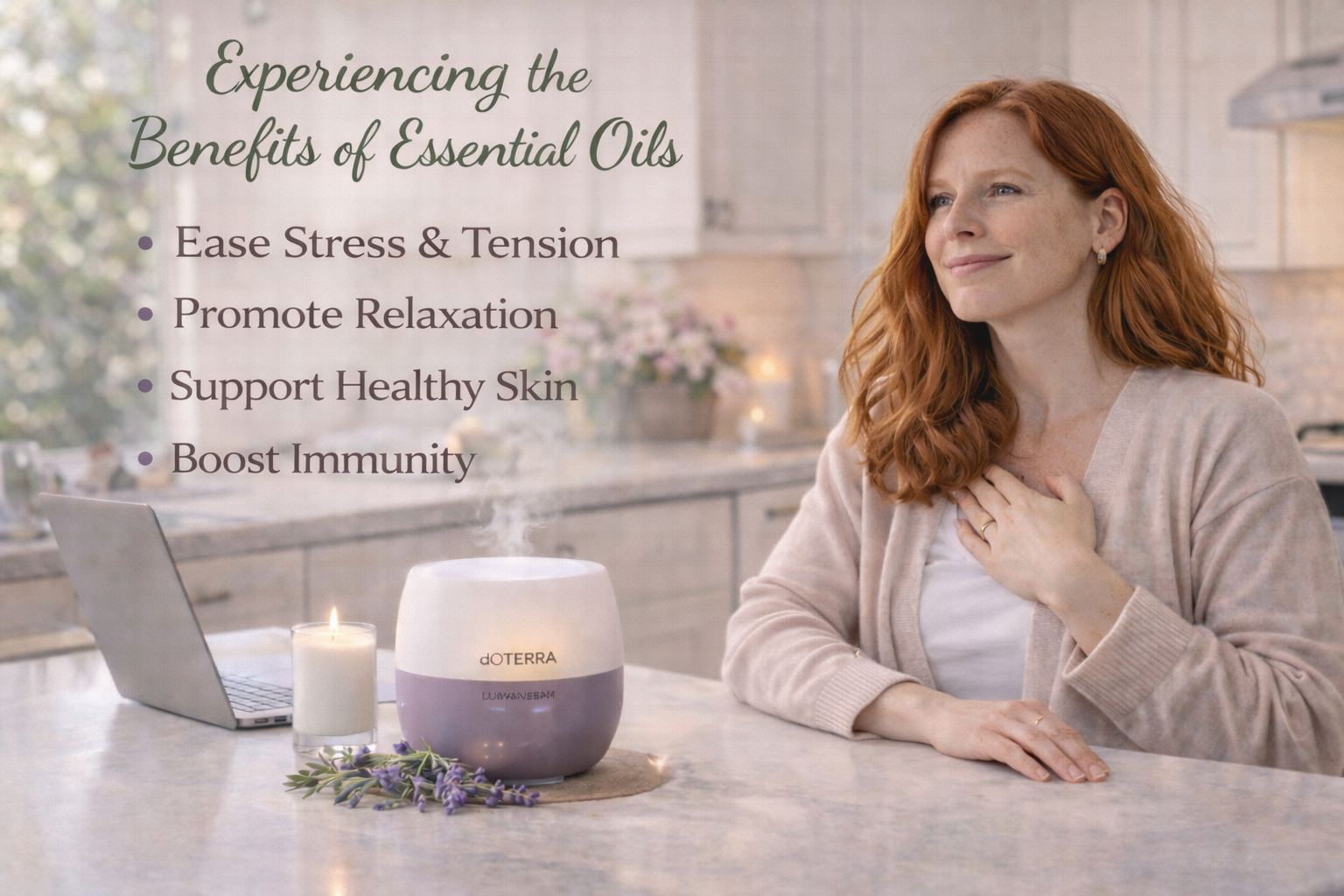
Essential oil uses and benefits go far beyond pleasant scents. Essential oils are concentrated plant extracts that have been used for centuries to support emotional well-being, daily rituals, mindfulness practices, and natural living.
When used intentionally and safely, essential oils become simple yet powerful tools for supporting how you feel—physically, emotionally, and mentally.
We are going to explores the most common essential oil uses and benefits, how people incorporate them into everyday life, and why they continue to be such a meaningful part of holistic wellness routines.
Essential oils are not about fixing you or replacing medical care. They are about support—small, intentional moments that help you feel calmer, clearer, and more connected to yourself.
Understanding Essential Oil Uses and Benefits
Before diving into specific uses, it helps to understand why essential oils work the way they do.
Essential oils contain volatile aromatic compounds that interact primarily with the olfactory system—your sense of smell. When inhaled, these aromatic molecules send signals to the limbic system, the part of the brain associated with emotion, memory, and mood.
This is why essential oil benefits are often experienced quickly, especially emotionally. A single breath can create calm, clarity, or grounding in seconds.
Essential Oil Uses for Emotional Wellness
One of the most popular essential oil uses is emotional support.
Many people turn to essential oils during moments of stress, overwhelm, transition, or fatigue because scent has a direct relationship with how we feel.
Emotional Benefits of Essential Oils
Essential oils are commonly used to:
- Promote calm and relaxation
- Reduce feelings of stress or tension
- Support emotional balance
- Encourage grounding and stability
- Create a sense of comfort and safety
Unlike quick distractions, essential oils work subtly by helping the nervous system regulate itself.
Essential Oils for Calm and Relaxation
Certain essential oils are traditionally associated with calming effects.
Common calming oils
include:
- Lavender
- Roman chamomile
- Frankincense
- Bergamot
Uses:
- Diffusing during evening routines
- Inhaling during moments of stress
- Adding to relaxation rituals such as journaling or meditation
Benefits:
- Helps quiet mental chatter
- Encourages relaxation
- Supports emotional regulation
One of my favorites is using having a diffuser going on in the morning or evening.
Essential Oil Uses for Stress Relief
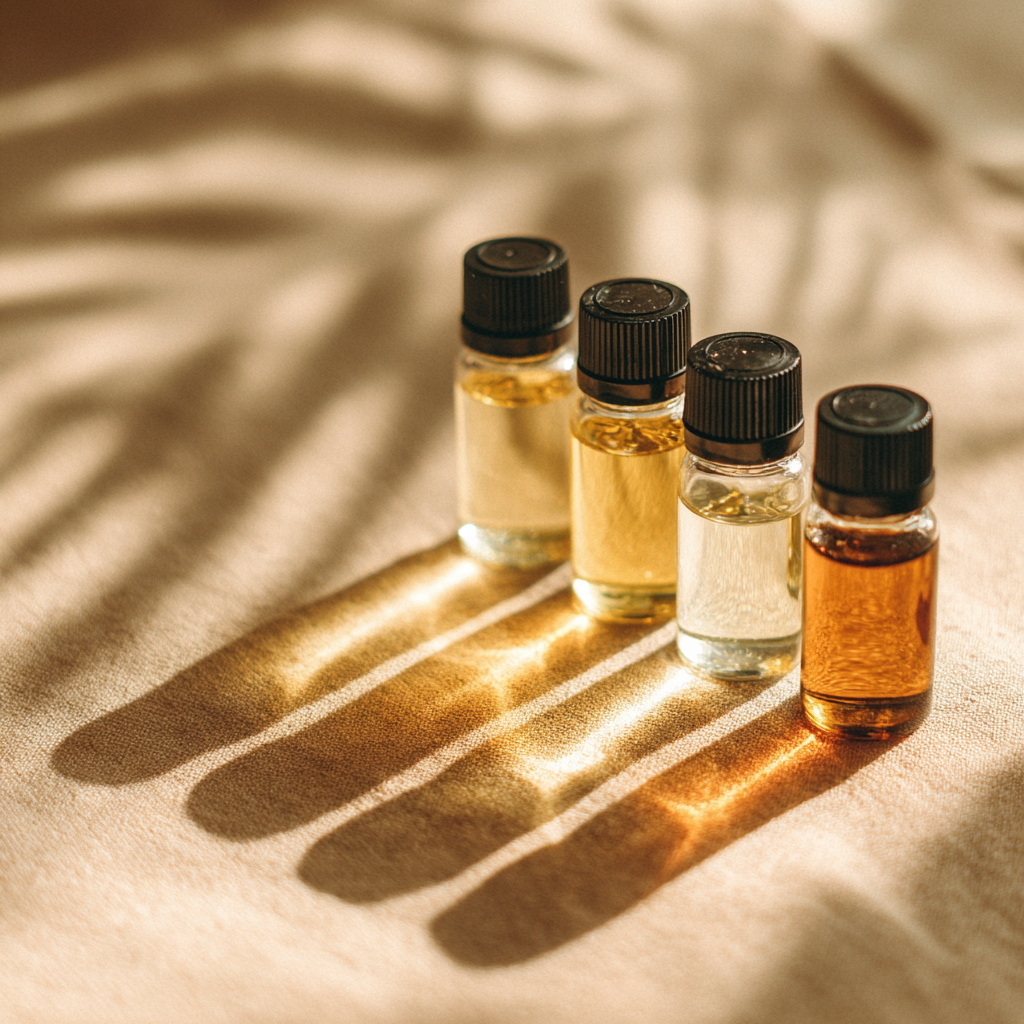
Stress is one of the most common reasons people explore essential oils.
Stress-supporting essential oils are often used to help the body shift out of “fight or flight” mode and into a calmer state.
Common stress-support oils:
- Lavender
- Cedarwood
- Frankincense
- Ylang ylang
Benefits:
- Encourages relaxation
- Supports nervous system balance
- Helps release tension
Essential oils don’t remove stressors—but they can help you respond to them more calmly.
Essential Oil Uses for Focus and Mental Clarity
Not all essential oils are calming. Some are energizing and clarifying.
Common focus-supporting oils:
- Peppermint
- Lemon
- Rosemary
- Eucalyptus
Uses:
- Diffusing during work or creative tasks
- Inhaling before meetings or focused activities
Benefits:
- Supports alertness
- Encourages mental clarity
- Helps reduce mental fatigue
Essential Oil Uses for Energy and Motivation
When energy feels low, certain oils can provide an uplifting sensory cue.
Energizing oils
include:
- Citrus oils (lemon, orange, grapefruit)
- Peppermint
Benefits:
- Promotes an uplifting atmosphere
- Supports motivation
- Encourages a positive emotional shift
These oils are often used in morning routines or during midday slumps.
Essential Oil Uses for Sleep and Relaxation
Sleep support is another common reason people use essential oils.
Popular sleep-support oils:
- Lavender
- Cedarwood
- Frankincense
Uses:
- Diffusing before bedtime
- Adding to evening wind-down rituals
- Using diluted oils on wrists or feet
Benefits:
- Encourages relaxation
- Signals the body to slow down
- Supports consistent bedtime routines
Essential Oil Uses in Daily Rituals
One of the most meaningful essential oil uses is ritual.
Ritual transforms everyday actions into intentional moments.
Examples:
- Diffusing calming oils during journaling
- Using citrus oils during morning affirmations
- Applying grounding oils before meditation
- Creating a consistent evening scent routine
Over time, the body associates certain scents with specific emotional states—calm, focus, or rest.
Essential Oil Uses for Mindfulness and Meditation
Essential oils are commonly used to support mindfulness practices.
Benefits in meditation and reflection:
- Helps anchor attention
- Supports presence
- Enhances sensory awareness
Popular meditation oils include frankincense, sandalwood, and cedarwood.
Essential Oil Uses for Natural Home Care

Beyond emotional wellness, essential oils are often used in natural home routines.
Common household uses:
- Natural cleaning blends
- Freshening rooms
- Supporting a clean-smelling environment
Benefits:
- Reduces reliance on synthetic fragrances
- Creates a fresh, natural scent
- Supports mindful living
Essential Oil Uses for Personal Care
Essential oils are often added to personal care routines.
Common personal care uses:
- Body oils
- Massage blends
- Foot rubs
- Hair and scalp oils (properly diluted)
Benefits:
- Enhances self-care routines
- Encourages relaxation
- Adds sensory enjoyment to daily care
Always use proper dilution and research oils before skin application.
Essential Oil Uses for Skin and Body Awareness
While essential oils are not medical treatments, many people enjoy them as part of body awareness routines.
Benefits:
- Encourages mindful touch
- Supports relaxation
- Enhances body-based rituals
Gentle use and low dilution are key here.
Essential Oil Uses for Spiritual and Grounding Practices
Across cultures, essential oils have been used in spiritual and grounding practices.
Common uses include:
- Meditation
- Prayer
- Energy work
- Reflection and intention-setting
Scents like frankincense, myrrh, and sandalwood are traditionally associated with grounding and sacred rituals.
Essential Oil Benefits for Nervous System Support
One of the most meaningful essential oil benefits is nervous system support.
Through scent, essential oils can help:
- Signal safety
- Encourage relaxation
- Reduce overstimulation
This makes them especially helpful during times of stress, change, or emotional overwhelm.
Essential Oil Uses for Women’s Wellness Routines
Many women are drawn to essential oils because they:
- Feel intuitive and gentle
- Support emotional awareness
- Fit easily into daily life
- Encourage slowing down
Essential oils pair beautifully with journaling, affirmations, and reflection—making them a natural fit for intentional living.
Essential Oil Uses for Seasonal Support
Essential oils are often used to support seasonal transitions.
Examples:
- Citrus oils during darker months
- Grounding oils during busy seasons
- Calming oils during stressful periods
Using oils seasonally helps align routines with natural rhythms.
Essential Oil Uses for Habit Building
Scent can act as a habit cue.
Using the same oil during:
- Morning routines
- Work sessions
- Evening rituals
…helps train your brain to associate that scent with a specific state of mind.
This makes essential oils powerful companions in habit formation.
Essential Oil Benefits When Used Consistently
Consistency matters more than quantity.
When used gently and regularly, essential oils can:
- Support emotional balance
- Enhance daily rituals
- Create predictable moments of calm or focus
- Encourage mindful living
More drops do not mean more benefit. Intention does.
Common Myths About Essential Oil Uses and Benefits
Let’s clear up a few misconceptions.
Essential oils are:
- Not cure-alls
- Not replacements for medical care
- Not meant to be used excessively
They are supportive tools—most effective when used respectfully and intentionally.
How Essential Oil Uses Support a Holistic Lifestyle
Essential oils fit naturally into a holistic approach to life that values:
- Mind-body awareness
- Emotional balance
- Intentional routines
- Natural living
They support presence, not perfection.
Final Thoughts
Essential oil uses and benefits extend far beyond scent.
They offer gentle support for emotional balance, daily rituals, mindfulness, and intentional living. When used safely and thoughtfully, essential oils become small anchors of calm and clarity throughout your day.
They don’t change who you are.
They support how you feel—one breath at a time.

Recent Articles


-
Essential Oil Uses And Benefits For Wellness, And Emotional Balance
Jan 21, 26 06:27 PM
 Essential oil uses and benefits explained. Learn how essential oils support emotional wellness, focus, sleep, and daily rituals in natural, simple ways.
 -
Best Daily Habits That Help You Create a Life You Love
Jan 18, 26 10:38 AM
 Discover the best daily habits that create lasting change, build self-trust, boost clarity, and help you design a calmer, more intentional life.
 -
Open Your Mindset To Helps You Create A Life You Love
Jan 18, 26 08:08 AM
Open your mindset and discover how small mindset shifts create clarity, self-trust, and the foundation for creating a life you truly love.